
Make your meals healthier with our yummy vegetable recipes! Whether it’s green and leafy, or bright and colorful veggies, our recipes are the perfect answer. Whip up and serve flavorful vegetable dishes to keep your loved ones full and healthy. Also, if you’re worried about vegetables tasting bland, you don't have to worry, not with our vegetable recipes. We have all kinds of ways to help you cook delicious but nutritious veggies. So, go on and explore our vegetable recipes!
Read More
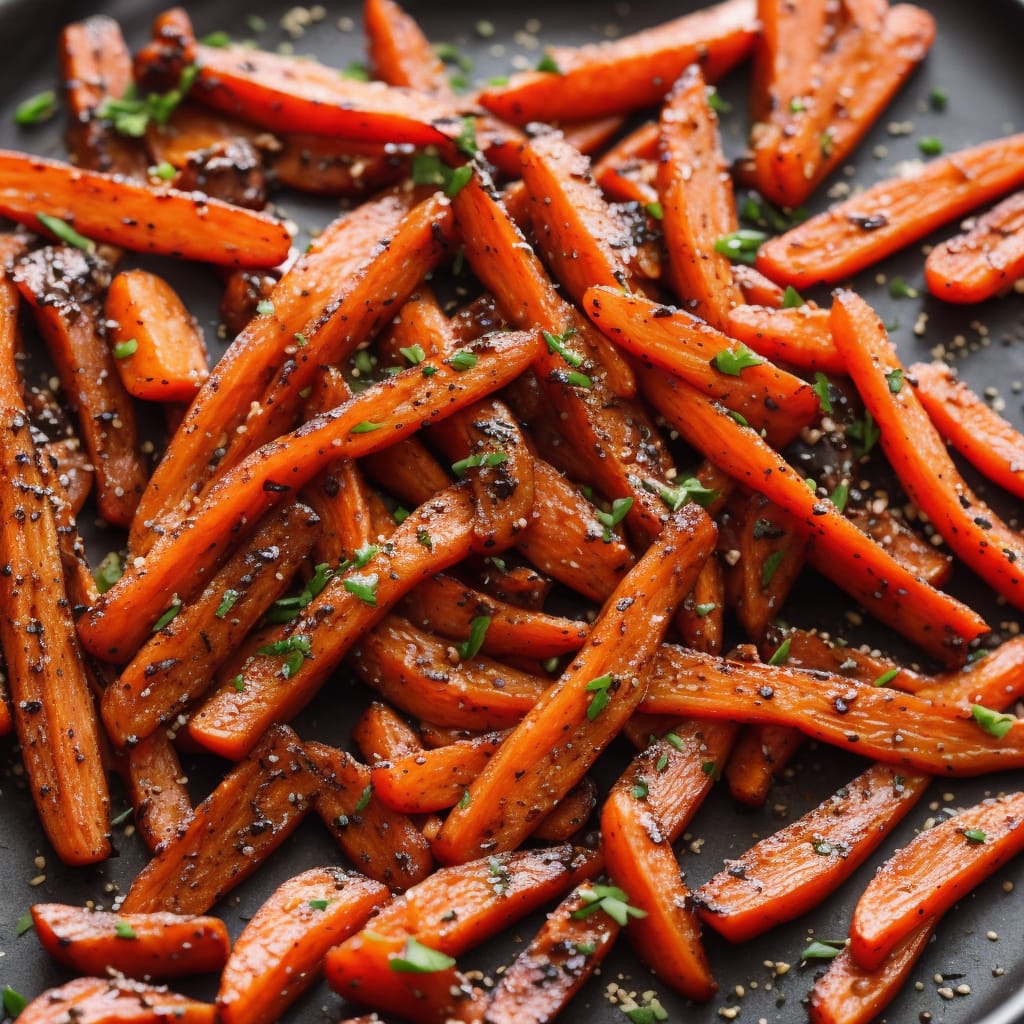
Make your meals healthier with our yummy vegetable recipes! Whether it’s green and leafy, or bright and colorful veggies, our recipes are the perfect answer. Whip up and serve flavorful vegetable dishes to keep your loved ones full and healthy. Also, if you’re worried about vegetables tasting bland, you don't have to worry, not with our vegetable recipes. We have all kinds of ways to help you cook delicious but nutritious veggies. So, go on and explore our vegetable recipes!
Read More
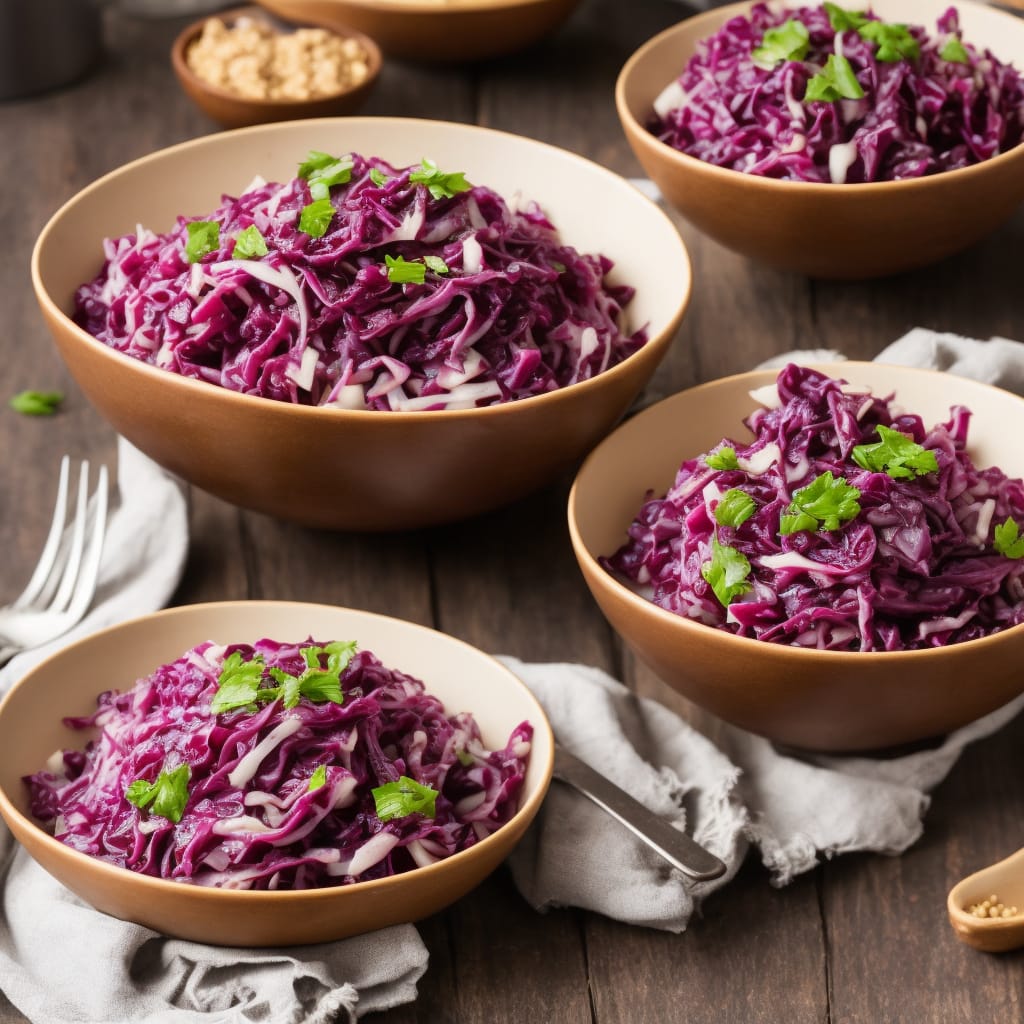
Make your meals healthier with our yummy vegetable recipes! Whether it’s green and leafy, or bright and colorful veggies, our recipes are the perfect answer. Whip up and serve flavorful vegetable dishes to keep your loved ones full and healthy. Also, if you’re worried about vegetables tasting bland, you don't have to worry, not with our vegetable recipes. We have all kinds of ways to help you cook delicious but nutritious veggies. So, go on and explore our vegetable recipes!
Read More
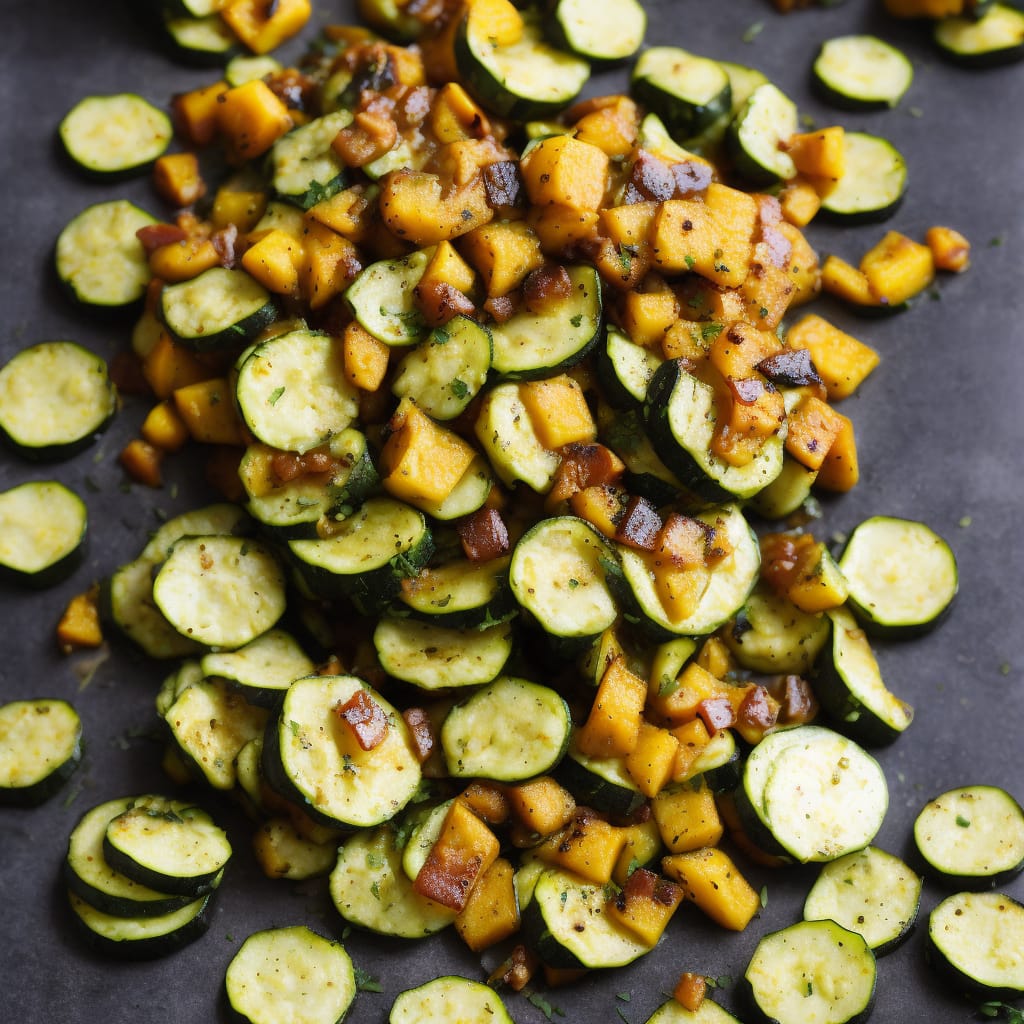
Make your meals healthier with our yummy vegetable recipes! Whether it’s green and leafy, or bright and colorful veggies, our recipes are the perfect answer. Whip up and serve flavorful vegetable dishes to keep your loved ones full and healthy. Also, if you’re worried about vegetables tasting bland, you don't have to worry, not with our vegetable recipes. We have all kinds of ways to help you cook delicious but nutritious veggies. So, go on and explore our vegetable recipes!
Read More

Make your meals healthier with our yummy vegetable recipes! Whether it’s green and leafy, or bright and colorful veggies, our recipes are the perfect answer. Whip up and serve flavorful vegetable dishes to keep your loved ones full and healthy. Also, if you’re worried about vegetables tasting bland, you don't have to worry, not with our vegetable recipes. We have all kinds of ways to help you cook delicious but nutritious veggies. So, go on and explore our vegetable recipes!
Read More

Make your meals healthier with our yummy vegetable recipes! Whether it’s green and leafy, or bright and colorful veggies, our recipes are the perfect answer. Whip up and serve flavorful vegetable dishes to keep your loved ones full and healthy. Also, if you’re worried about vegetables tasting bland, you don't have to worry, not with our vegetable recipes. We have all kinds of ways to help you cook delicious but nutritious veggies. So, go on and explore our vegetable recipes!
Read More

Make your meals healthier with our yummy vegetable recipes! Whether it’s green and leafy, or bright and colorful veggies, our recipes are the perfect answer. Whip up and serve flavorful vegetable dishes to keep your loved ones full and healthy. Also, if you’re worried about vegetables tasting bland, you don't have to worry, not with our vegetable recipes. We have all kinds of ways to help you cook delicious but nutritious veggies. So, go on and explore our vegetable recipes!
Read More

Make your meals healthier with our yummy vegetable recipes! Whether it’s green and leafy, or bright and colorful veggies, our recipes are the perfect answer. Whip up and serve flavorful vegetable dishes to keep your loved ones full and healthy. Also, if you’re worried about vegetables tasting bland, you don't have to worry, not with our vegetable recipes. We have all kinds of ways to help you cook delicious but nutritious veggies. So, go on and explore our vegetable recipes!
Read More
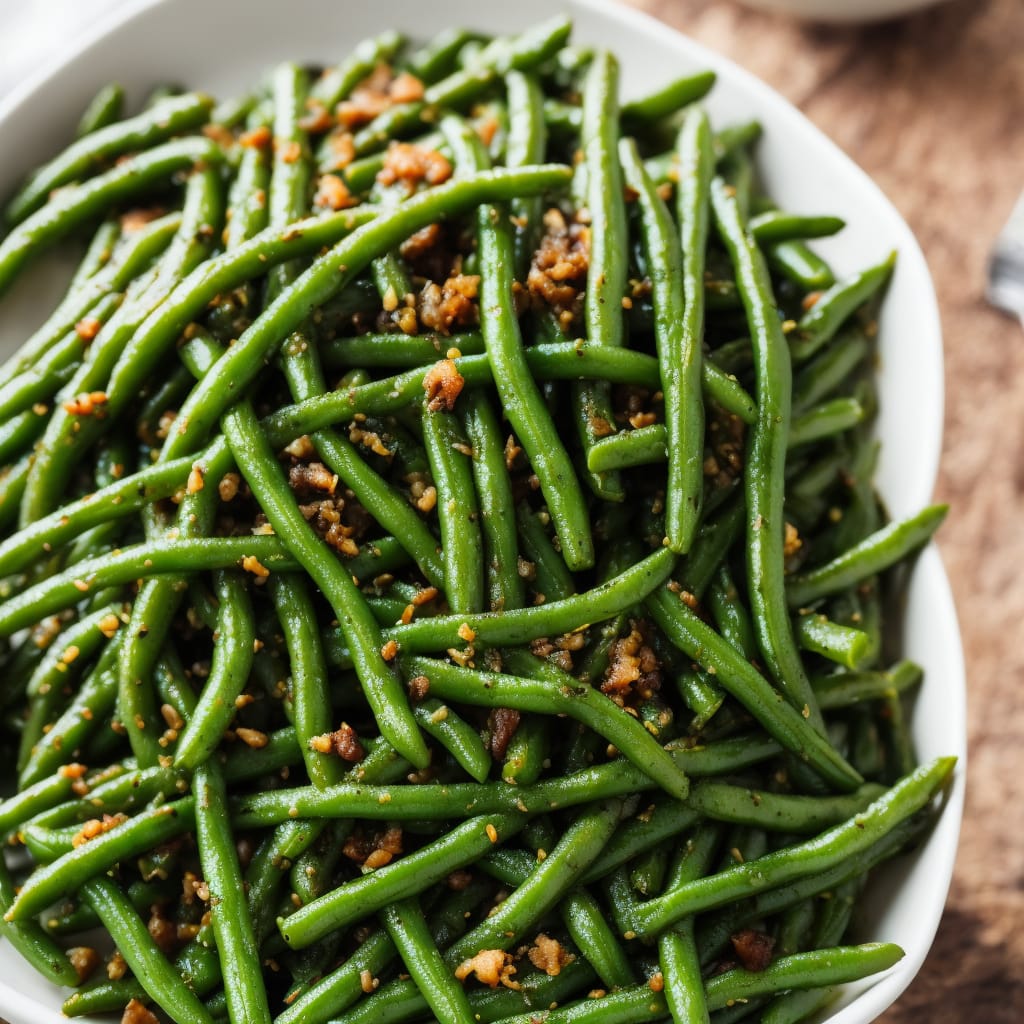
Make your meals healthier with our yummy vegetable recipes! Whether it’s green and leafy, or bright and colorful veggies, our recipes are the perfect answer. Whip up and serve flavorful vegetable dishes to keep your loved ones full and healthy. Also, if you’re worried about vegetables tasting bland, you don't have to worry, not with our vegetable recipes. We have all kinds of ways to help you cook delicious but nutritious veggies. So, go on and explore our vegetable recipes!
Read More

Make your meals healthier with our yummy vegetable recipes! Whether it’s green and leafy, or bright and colorful veggies, our recipes are the perfect answer. Whip up and serve flavorful vegetable dishes to keep your loved ones full and healthy. Also, if you’re worried about vegetables tasting bland, you don't have to worry, not with our vegetable recipes. We have all kinds of ways to help you cook delicious but nutritious veggies. So, go on and explore our vegetable recipes!
Read More

Make your meals healthier with our yummy vegetable recipes! Whether it’s green and leafy, or bright and colorful veggies, our recipes are the perfect answer. Whip up and serve flavorful vegetable dishes to keep your loved ones full and healthy. Also, if you’re worried about vegetables tasting bland, you don't have to worry, not with our vegetable recipes. We have all kinds of ways to help you cook delicious but nutritious veggies. So, go on and explore our vegetable recipes!
Read More
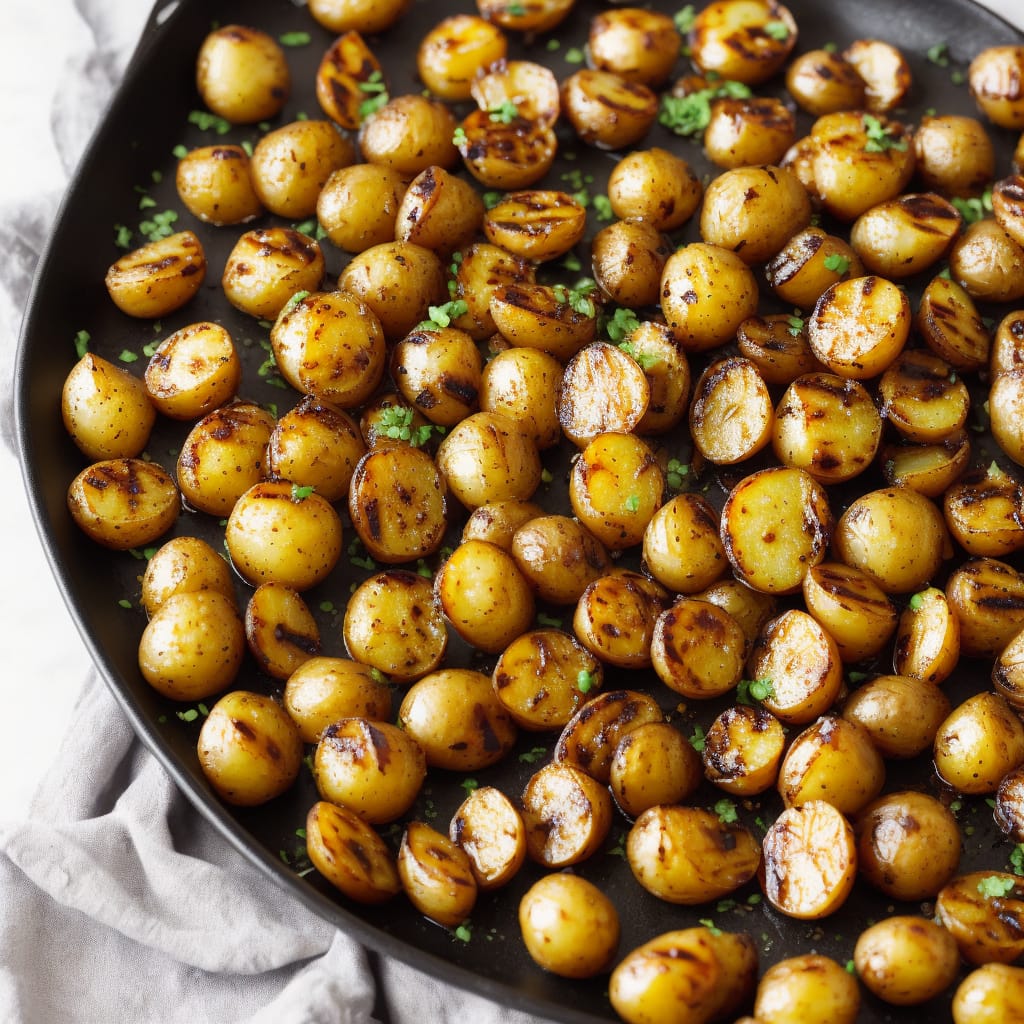
Make your meals healthier with our yummy vegetable recipes! Whether it’s green and leafy, or bright and colorful veggies, our recipes are the perfect answer. Whip up and serve flavorful vegetable dishes to keep your loved ones full and healthy. Also, if you’re worried about vegetables tasting bland, you don't have to worry, not with our vegetable recipes. We have all kinds of ways to help you cook delicious but nutritious veggies. So, go on and explore our vegetable recipes!
Read More

Make your meals healthier with our yummy vegetable recipes! Whether it’s green and leafy, or bright and colorful veggies, our recipes are the perfect answer. Whip up and serve flavorful vegetable dishes to keep your loved ones full and healthy. Also, if you’re worried about vegetables tasting bland, you don't have to worry, not with our vegetable recipes. We have all kinds of ways to help you cook delicious but nutritious veggies. So, go on and explore our vegetable recipes!
Read More
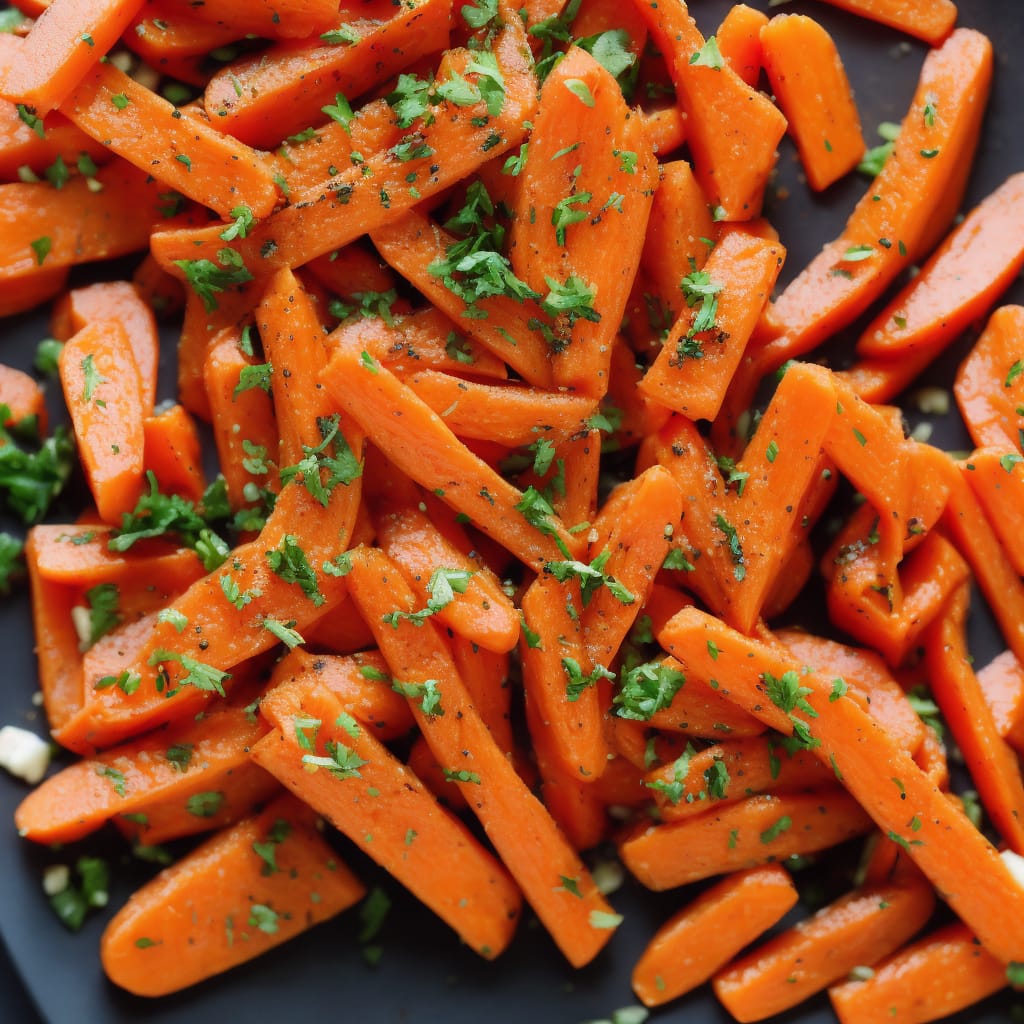
Make your meals healthier with our yummy vegetable recipes! Whether it’s green and leafy, or bright and colorful veggies, our recipes are the perfect answer. Whip up and serve flavorful vegetable dishes to keep your loved ones full and healthy. Also, if you’re worried about vegetables tasting bland, you don't have to worry, not with our vegetable recipes. We have all kinds of ways to help you cook delicious but nutritious veggies. So, go on and explore our vegetable recipes!
Read More
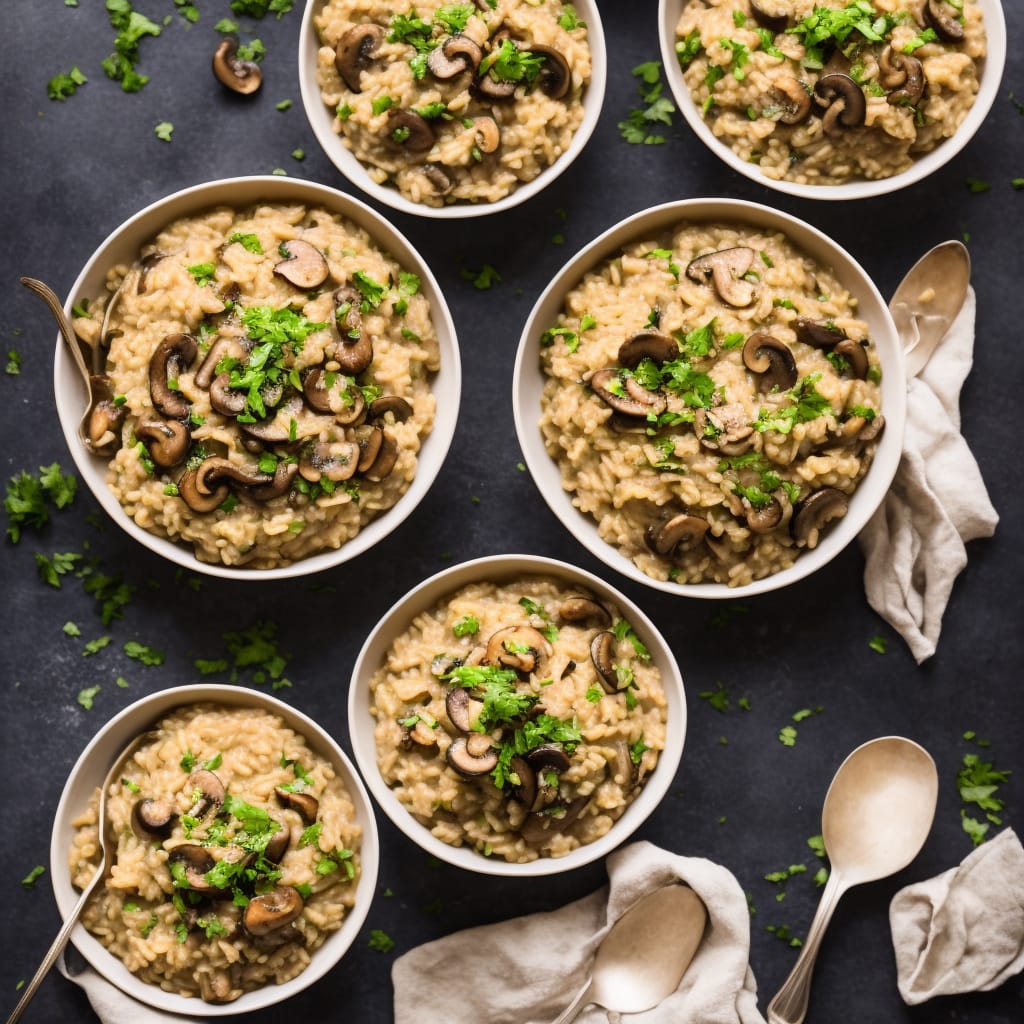
Make your meals healthier with our yummy vegetable recipes! Whether it’s green and leafy, or bright and colorful veggies, our recipes are the perfect answer. Whip up and serve flavorful vegetable dishes to keep your loved ones full and healthy. Also, if you’re worried about vegetables tasting bland, you don't have to worry, not with our vegetable recipes. We have all kinds of ways to help you cook delicious but nutritious veggies. So, go on and explore our vegetable recipes!
Read More
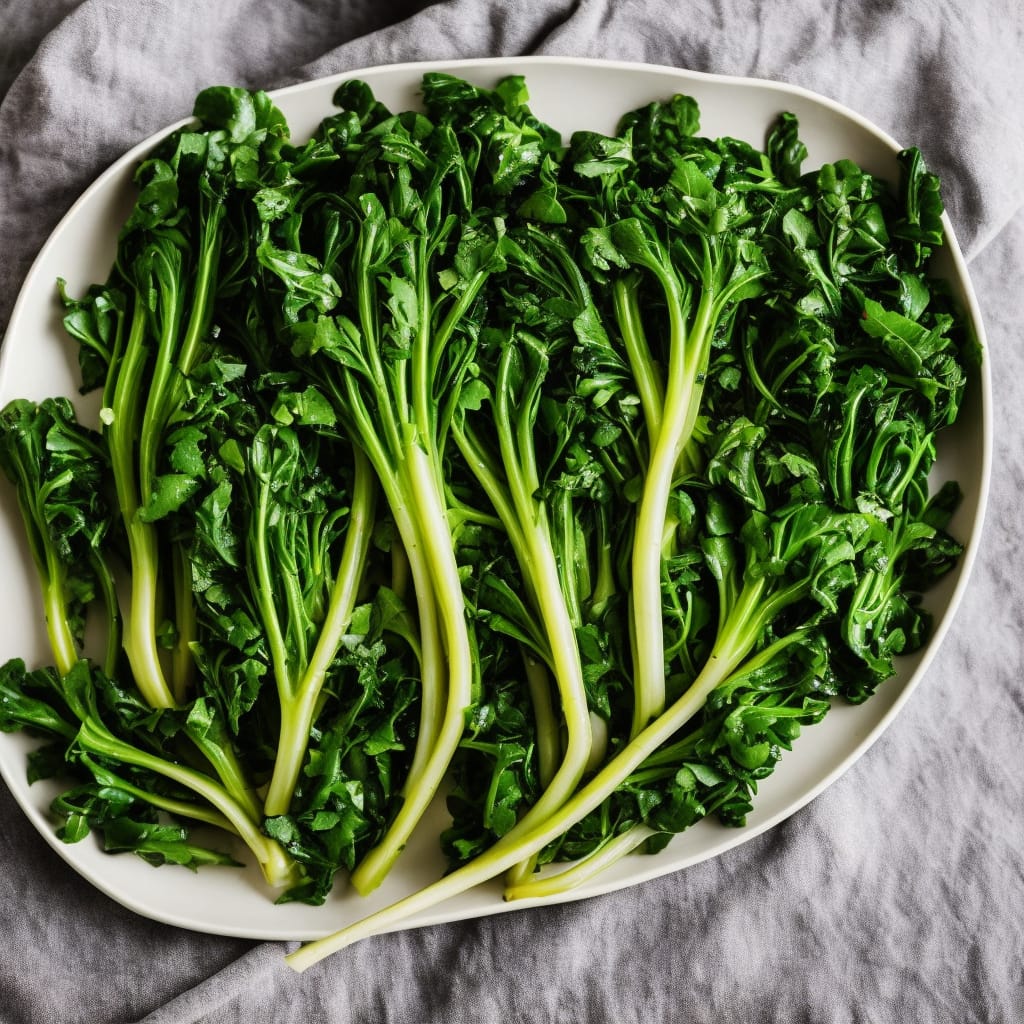
Make your meals healthier with our yummy vegetable recipes! Whether it’s green and leafy, or bright and colorful veggies, our recipes are the perfect answer. Whip up and serve flavorful vegetable dishes to keep your loved ones full and healthy. Also, if you’re worried about vegetables tasting bland, you don't have to worry, not with our vegetable recipes. We have all kinds of ways to help you cook delicious but nutritious veggies. So, go on and explore our vegetable recipes!
Read More
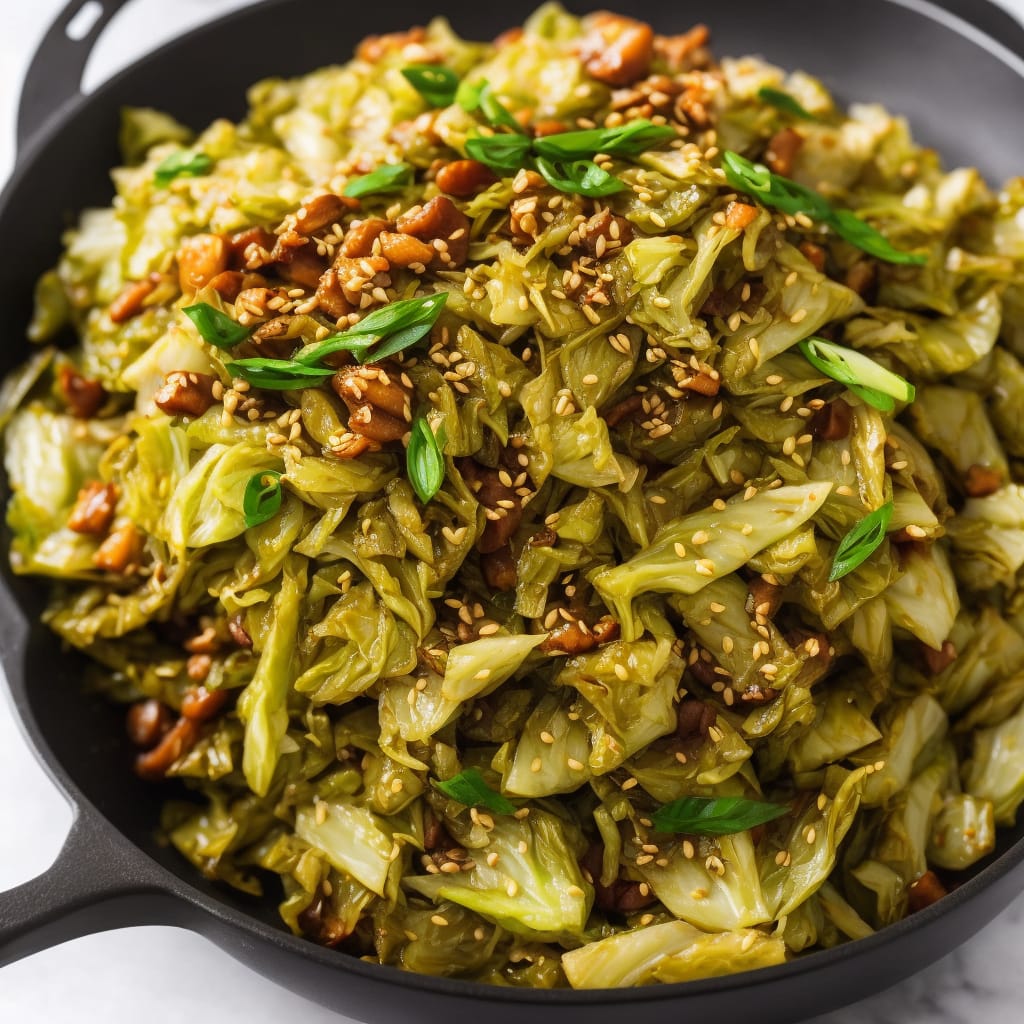
Make your meals healthier with our yummy vegetable recipes! Whether it’s green and leafy, or bright and colorful veggies, our recipes are the perfect answer. Whip up and serve flavorful vegetable dishes to keep your loved ones full and healthy. Also, if you’re worried about vegetables tasting bland, you don't have to worry, not with our vegetable recipes. We have all kinds of ways to help you cook delicious but nutritious veggies. So, go on and explore our vegetable recipes!
Read More
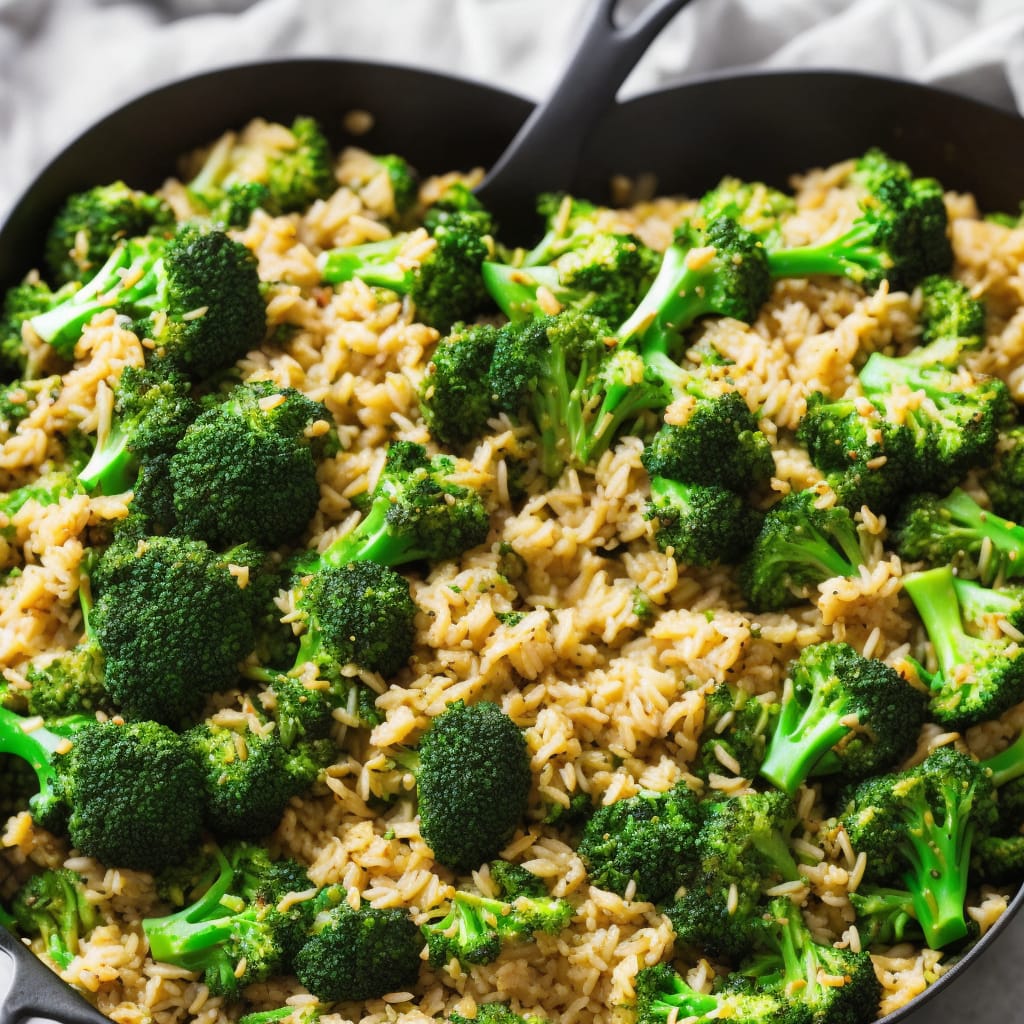
Make your meals healthier with our yummy vegetable recipes! Whether it’s green and leafy, or bright and colorful veggies, our recipes are the perfect answer. Whip up and serve flavorful vegetable dishes to keep your loved ones full and healthy. Also, if you’re worried about vegetables tasting bland, you don't have to worry, not with our vegetable recipes. We have all kinds of ways to help you cook delicious but nutritious veggies. So, go on and explore our vegetable recipes!
Read More
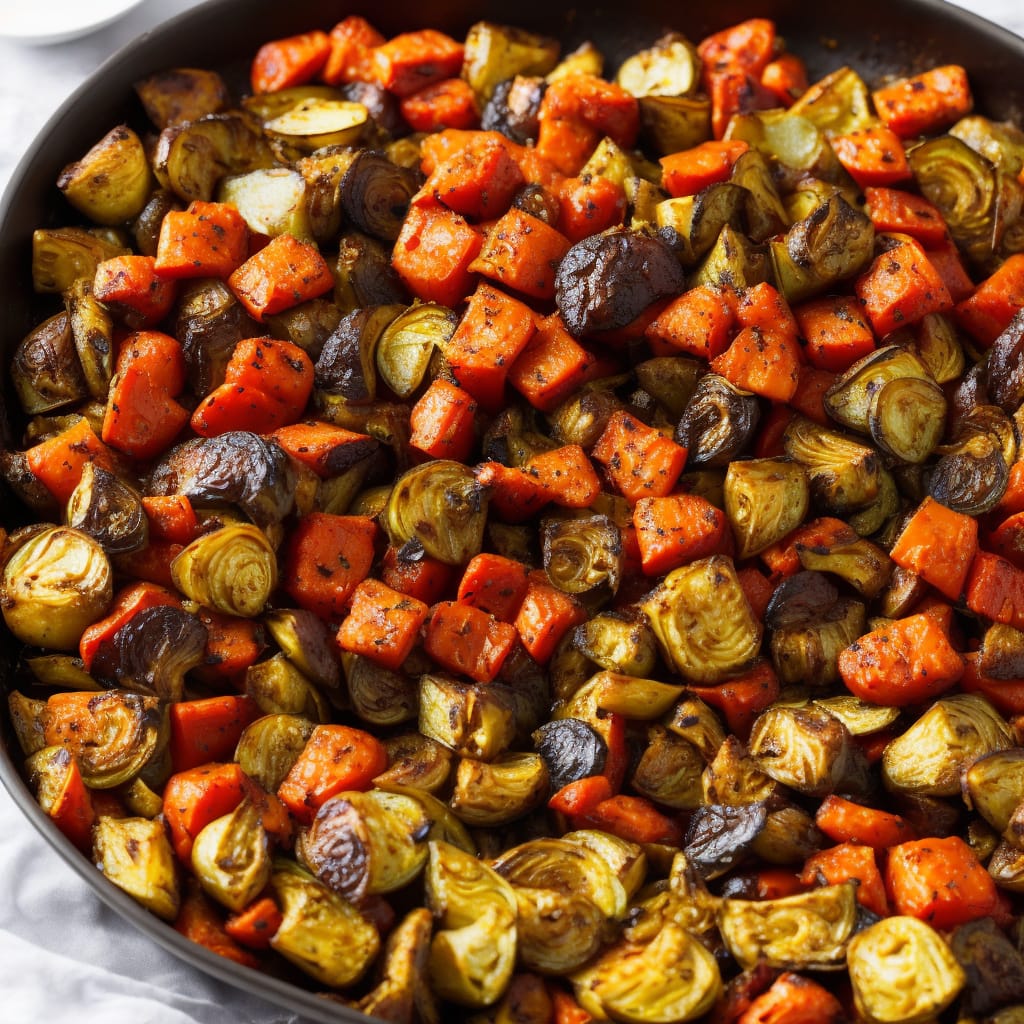
Make your meals healthier with our yummy vegetable recipes! Whether it’s green and leafy, or bright and colorful veggies, our recipes are the perfect answer. Whip up and serve flavorful vegetable dishes to keep your loved ones full and healthy. Also, if you’re worried about vegetables tasting bland, you don't have to worry, not with our vegetable recipes. We have all kinds of ways to help you cook delicious but nutritious veggies. So, go on and explore our vegetable recipes!
Read More

Make your meals healthier with our yummy vegetable recipes! Whether it’s green and leafy, or bright and colorful veggies, our recipes are the perfect answer. Whip up and serve flavorful vegetable dishes to keep your loved ones full and healthy. Also, if you’re worried about vegetables tasting bland, you don't have to worry, not with our vegetable recipes. We have all kinds of ways to help you cook delicious but nutritious veggies. So, go on and explore our vegetable recipes!
Read More
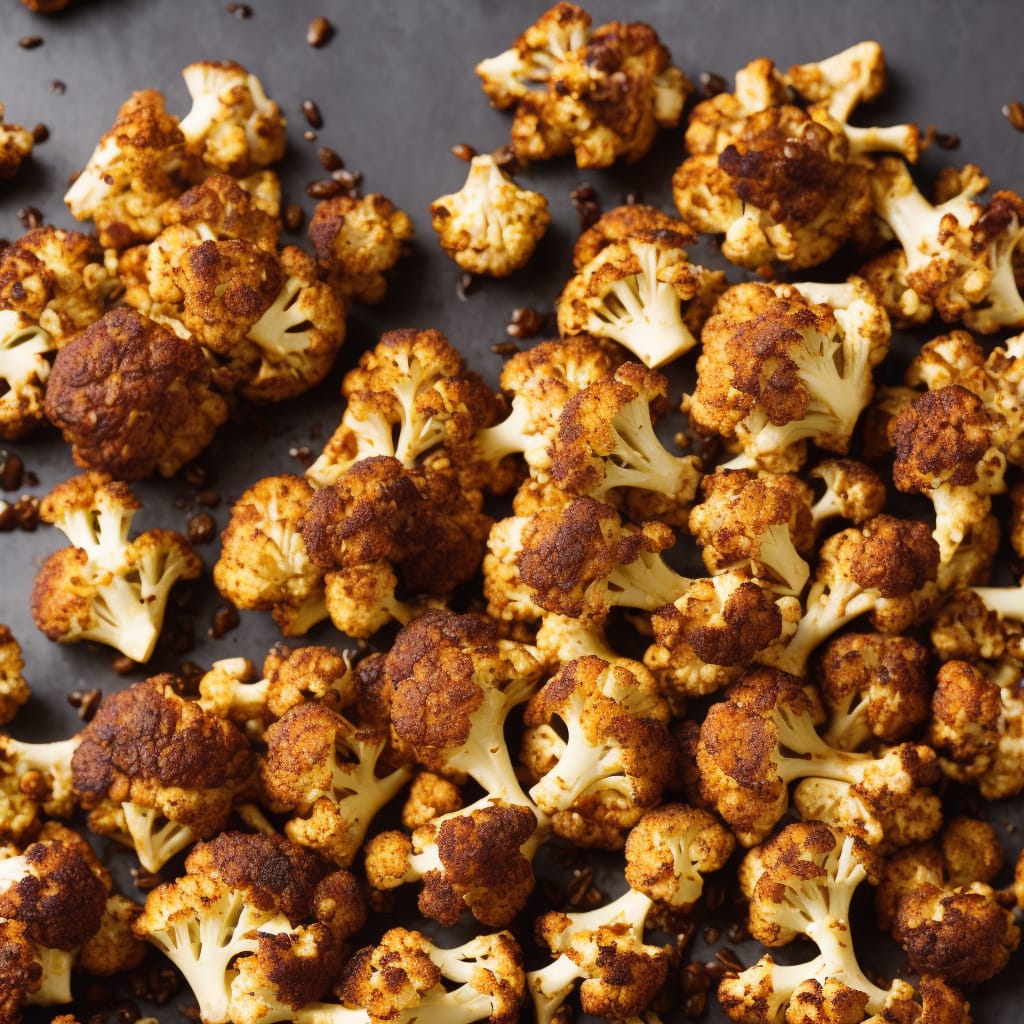
Make your meals healthier with our yummy vegetable recipes! Whether it’s green and leafy, or bright and colorful veggies, our recipes are the perfect answer. Whip up and serve flavorful vegetable dishes to keep your loved ones full and healthy. Also, if you’re worried about vegetables tasting bland, you don't have to worry, not with our vegetable recipes. We have all kinds of ways to help you cook delicious but nutritious veggies. So, go on and explore our vegetable recipes!
Read More

Make your meals healthier with our yummy vegetable recipes! Whether it’s green and leafy, or bright and colorful veggies, our recipes are the perfect answer. Whip up and serve flavorful vegetable dishes to keep your loved ones full and healthy. Also, if you’re worried about vegetables tasting bland, you don't have to worry, not with our vegetable recipes. We have all kinds of ways to help you cook delicious but nutritious veggies. So, go on and explore our vegetable recipes!
Read More

Make your meals healthier with our yummy vegetable recipes! Whether it’s green and leafy, or bright and colorful veggies, our recipes are the perfect answer. Whip up and serve flavorful vegetable dishes to keep your loved ones full and healthy. Also, if you’re worried about vegetables tasting bland, you don't have to worry, not with our vegetable recipes. We have all kinds of ways to help you cook delicious but nutritious veggies. So, go on and explore our vegetable recipes!
Read More
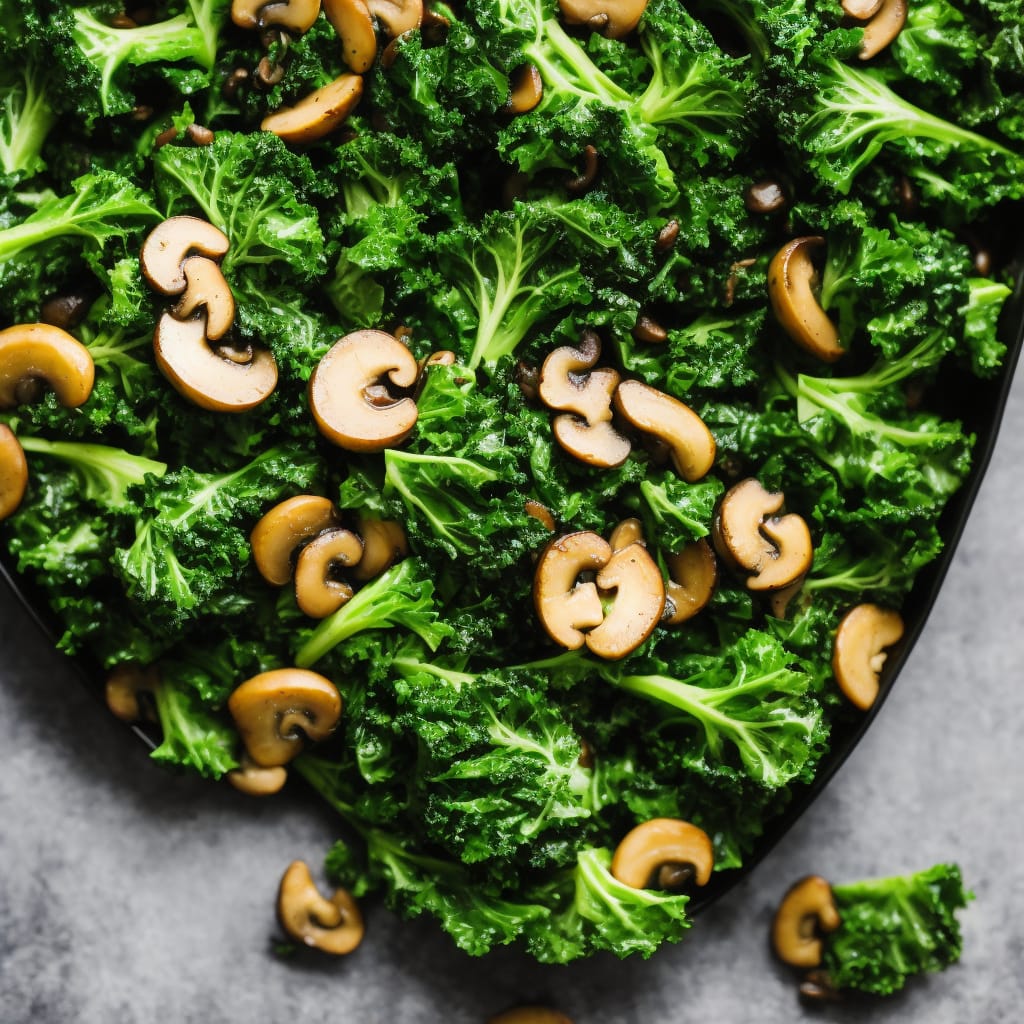
Make your meals healthier with our yummy vegetable recipes! Whether it’s green and leafy, or bright and colorful veggies, our recipes are the perfect answer. Whip up and serve flavorful vegetable dishes to keep your loved ones full and healthy. Also, if you’re worried about vegetables tasting bland, you don't have to worry, not with our vegetable recipes. We have all kinds of ways to help you cook delicious but nutritious veggies. So, go on and explore our vegetable recipes!
Read More

Make your meals healthier with our yummy vegetable recipes! Whether it’s green and leafy, or bright and colorful veggies, our recipes are the perfect answer. Whip up and serve flavorful vegetable dishes to keep your loved ones full and healthy. Also, if you’re worried about vegetables tasting bland, you don't have to worry, not with our vegetable recipes. We have all kinds of ways to help you cook delicious but nutritious veggies. So, go on and explore our vegetable recipes!
Read More

Make your meals healthier with our yummy vegetable recipes! Whether it’s green and leafy, or bright and colorful veggies, our recipes are the perfect answer. Whip up and serve flavorful vegetable dishes to keep your loved ones full and healthy. Also, if you’re worried about vegetables tasting bland, you don't have to worry, not with our vegetable recipes. We have all kinds of ways to help you cook delicious but nutritious veggies. So, go on and explore our vegetable recipes!
Read More

Make your meals healthier with our yummy vegetable recipes! Whether it’s green and leafy, or bright and colorful veggies, our recipes are the perfect answer. Whip up and serve flavorful vegetable dishes to keep your loved ones full and healthy. Also, if you’re worried about vegetables tasting bland, you don't have to worry, not with our vegetable recipes. We have all kinds of ways to help you cook delicious but nutritious veggies. So, go on and explore our vegetable recipes!
Read More

Make your meals healthier with our yummy vegetable recipes! Whether it’s green and leafy, or bright and colorful veggies, our recipes are the perfect answer. Whip up and serve flavorful vegetable dishes to keep your loved ones full and healthy. Also, if you’re worried about vegetables tasting bland, you don't have to worry, not with our vegetable recipes. We have all kinds of ways to help you cook delicious but nutritious veggies. So, go on and explore our vegetable recipes!
Read More
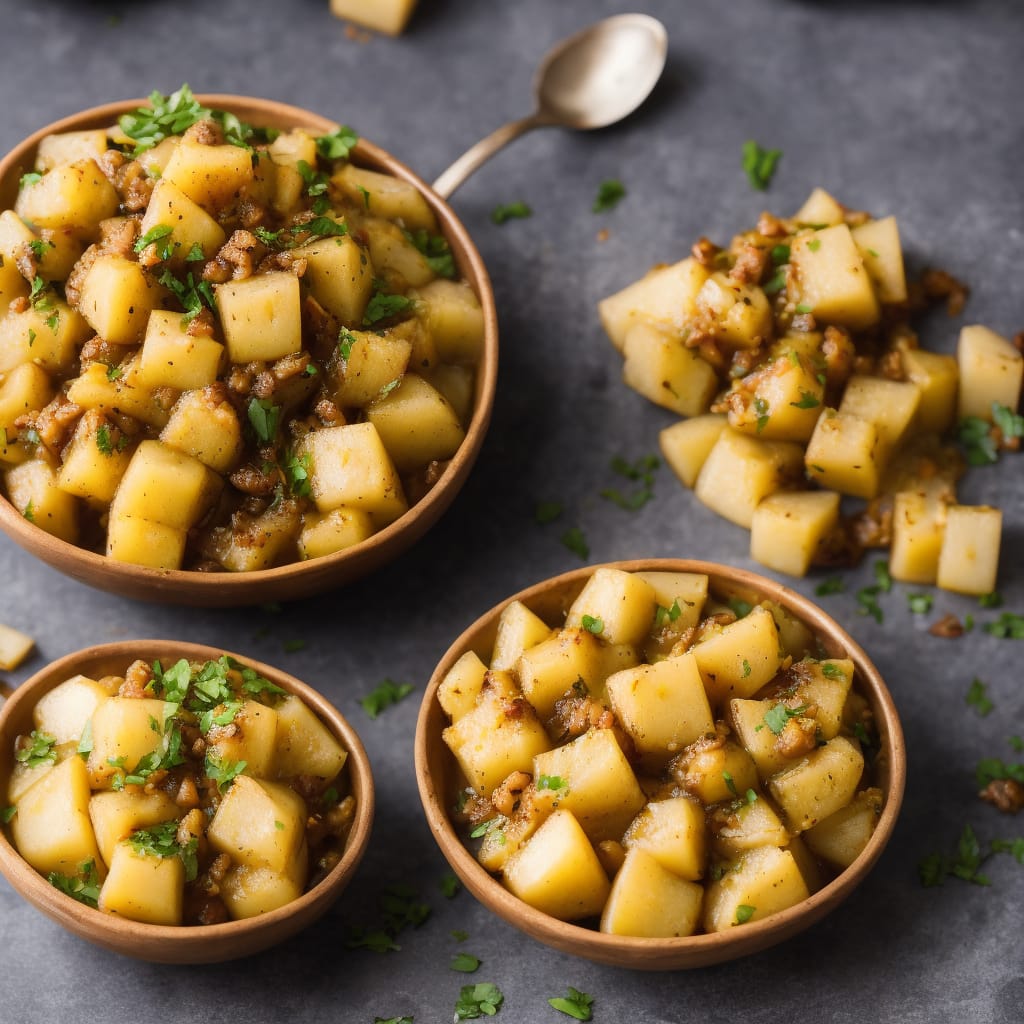
Make your meals healthier with our yummy vegetable recipes! Whether it’s green and leafy, or bright and colorful veggies, our recipes are the perfect answer. Whip up and serve flavorful vegetable dishes to keep your loved ones full and healthy. Also, if you’re worried about vegetables tasting bland, you don't have to worry, not with our vegetable recipes. We have all kinds of ways to help you cook delicious but nutritious veggies. So, go on and explore our vegetable recipes!
Read More
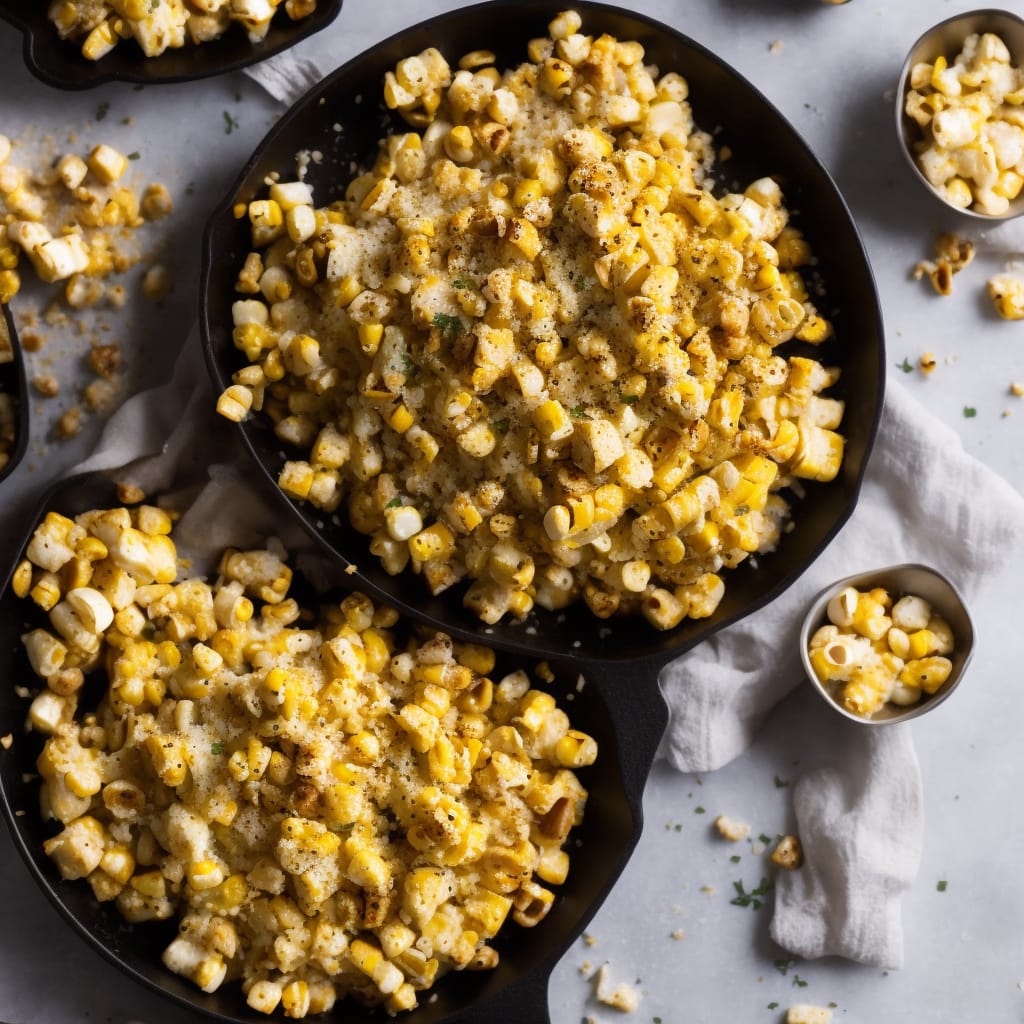
Make your meals healthier with our yummy vegetable recipes! Whether it’s green and leafy, or bright and colorful veggies, our recipes are the perfect answer. Whip up and serve flavorful vegetable dishes to keep your loved ones full and healthy. Also, if you’re worried about vegetables tasting bland, you don't have to worry, not with our vegetable recipes. We have all kinds of ways to help you cook delicious but nutritious veggies. So, go on and explore our vegetable recipes!
Read More